← All product work

Simul stopped being a filter app and became a camera.

Simul is a film camera and darkroom for iPhone and Android that I designed, built and run on my own. The first version worked, but it looked like every other filter app.

Download on the App Store Get it on Google Play

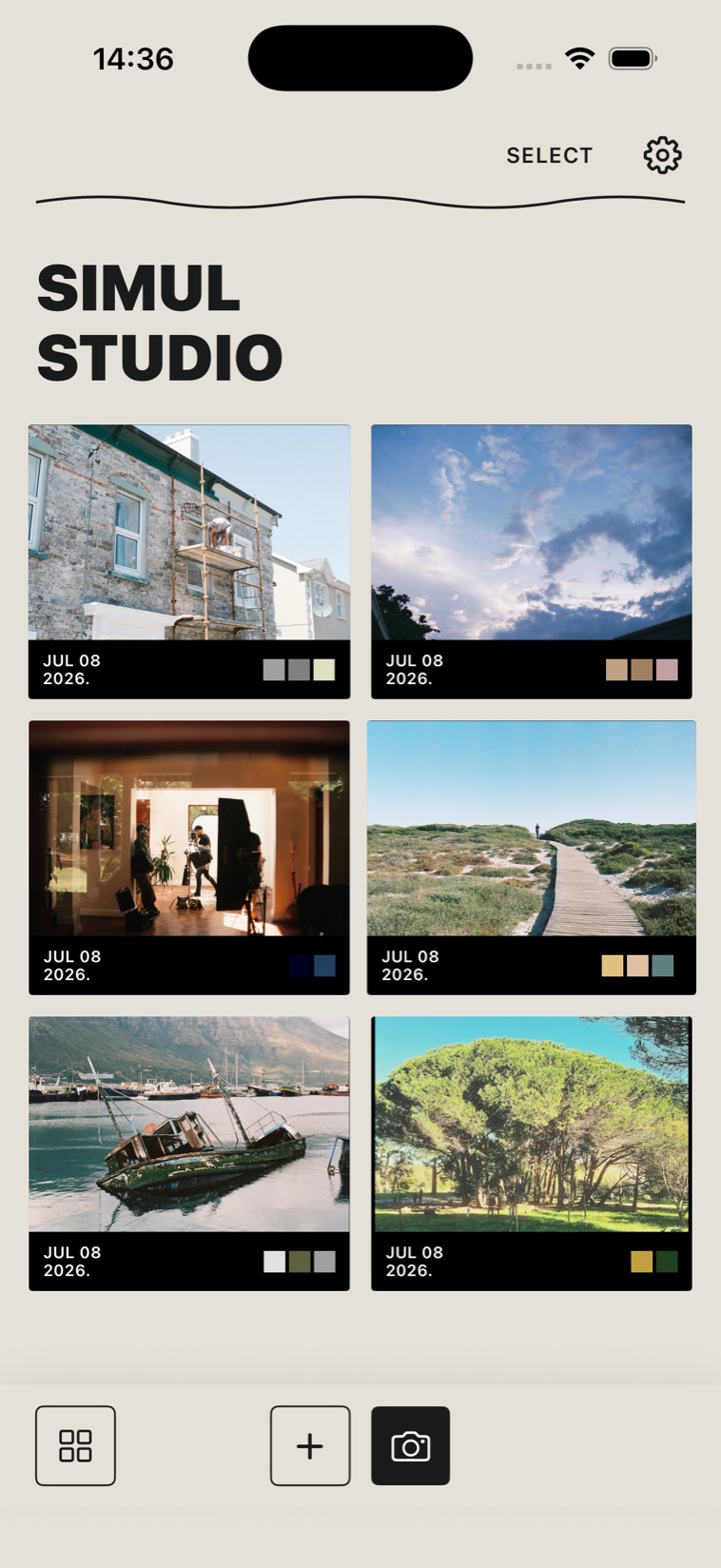
Simul v1 opens on a gallery called Simul Studio: a grid of imported photos waiting to be edited.
Edit any photo.v1, July 2026
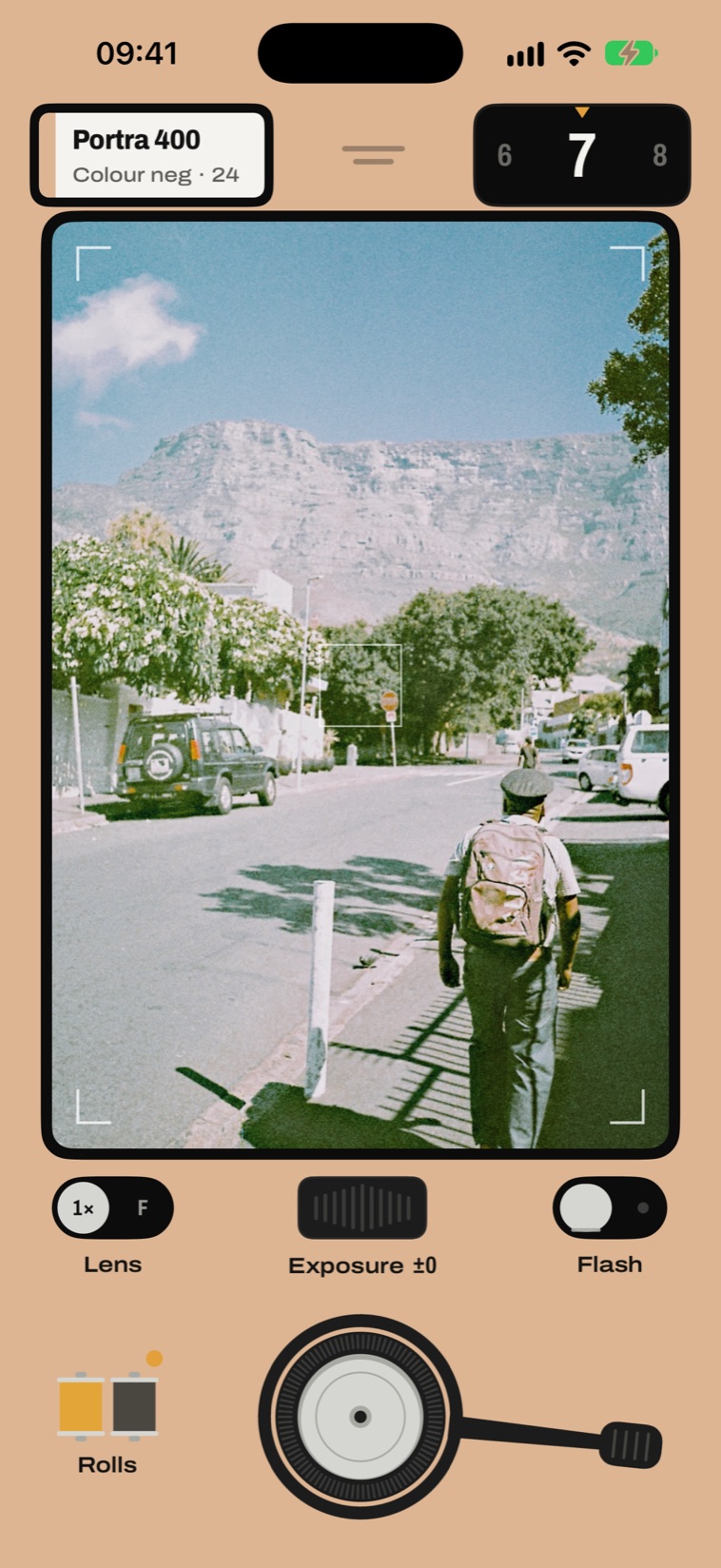
Simul 2.0 opens on the camera: a Portra 400 viewfinder, frame 7 on the counter and a film-advance wheel.
Simul is a camera.2.0, live
Role
Founder. Product, UX, UI, brand, engineering and growth
Platforms
Native iOS (SwiftUI) and Android (Jetpack Compose)
Timeline
v1 on the App Store July 2026. 1.8.2 in October. 2.0 beta from October, live 23 November 2026
Team
Me, with AI coding agents that I direct and review

Where v1 stood

A capable editor with film looks. People downloaded it, but it had no reason to exist next to free apps, and I couldn't see where users dropped off.

What I changed

First I added measurement and fixed what the data showed. Then I redesigned the product around one idea: Simul is a camera, and the roll of film is the unit.

Where it is now

1.8.2 is live on both stores, with paying customers on both. 2.0 went live on 23 November 2026. My trip photos: shot in Japan, developed in Simul.

v1 shipped. Then the evidence came in.

I launched Simul on the App Store in July 2026 as "Simul Studio": import any photo, pick a film look, export. The engine was good. The pitch was the problem. The store page said "Edit any photo", which put Simul in the most crowded category on the App Store, against free apps with bigger budgets.

The first 90 days of App Store data told a clear story. The product page converted well, so people liked what they saw. But sales were small, and I had no event tracking, so I couldn't tell where people lost interest. An audit I ran in August came to a plain verdict: promising product, unproven growth engine.

415App Store product page views
41%of viewers downloaded (170 first-time downloads)
14lifetime unlocks bought on iOS
0funnel events before 1.4. Drop-off was invisible

Source: App Store Connect, 90 days to 16 September 2026. The audit is my own, dated 7 August 2026.

Eight releases in four months, each with a reason.

Every release answered something the data or a customer showed me. These are the ones that changed the product.

  1. 1.0 and 1.1

    Launch, then faster rendering and the iCloud sync foundation.Why: the first users needed the editor to keep up with their fingers.

  2. 1.4

    Privacy-safe funnel analytics, the Share Card and 4K export.Why: I couldn't improve a funnel I couldn't see.

  3. 1.5 and 1.6

    Print finishes, infrared looks, batch export and a darkroom before/after compare.Why: people who exported once wanted to finish whole sets.

  4. 1.7

    A real camera with a film gate, tone curves and aspect ratios.Why: the first sign that shooting, not editing, was the product.

  5. 1.8

    A new onboarding and paywall, docked editor panels and masks on a card strip. Rejected by Apple, fixed and resubmitted the next day.Why: the funnel showed most people never reached the unlock.

  6. 1.8.1 and 1.8.2

    One-tap full-resolution save, clear save errors, foldable iPhone layouts and an Android purchase fix.Why: event data showed failed saves and repeated purchase taps.

  7. 2.0

    A new product: camera first, rolls of film, a darkroom and a contact sheet. Ten beta builds in three weeks.Why: "a camera, not a filter app" is the only position a solo app can win.

The fixes the data asked for.

Before redesigning anything, I made the existing product measurable and reliable.

Measure the funnel without tracking people.

In 1.4 I wrote an analytics contract: an allow-list of events like photo added, edit started, exported and purchase started, with no identifiers and no photo data. It's off unless the person opts in.

When Apple rejected 1.8 because a consent pop-up looked like a tracking prompt, I moved the switch into Settings and resubmitted the next day.

What it showed: editing to export was the biggest drop, so that's where 1.8 and 2.0 focused.
Fix what breaks trust first.

The events surfaced problems nobody had reported. On Android, people were tapping Buy again and again because nothing seemed to happen. On iOS, some saves failed silently.

1.8.1 and 1.8.2 added a clear purchase state, one-tap full-resolution saving and a plain error message when a save fails.

Why: a customer who loses a photo or thinks they paid twice doesn't come back. Reliability is a design problem.

Stop buying traffic the page couldn't convert.

I ran small Meta ad tests in South Africa. Traffic was cheap, about R0.80 per landing-page view, but almost nobody went on to a store.

So I cut the landing page out of the path and built a smart link that sends iPhones to the App Store and Android phones to Google Play, tagged so each platform's results stay separate.

Why: cheap clicks are not customers. I'd rather know a channel doesn't work for R60 than for R6,000.

The real problem was the concept.

By October the fixes were working, but a visual refresh I'd built still felt like a template. The honest diagnosis: Simul was a good editor in a category where good is free. So I changed what Simul is.

v1 A filter app

Opens on
A gallery of imported photos
Core verb
Pick a look and apply it
Unit
One photo at a time
Feeling
Instant, so nothing is at stake
Unlock
Generic paywall after five exports

2.0 A camera

Opens on
The viewfinder, with a film loaded
Core verb
Wind, shoot, develop, choose keepers
Unit
A roll of 24 or 36 frames
Feeling
Shots stay hidden until you develop the roll
Unlock
"Make a print": five free sheets, then paper for life

Designing a camera people can feel.

I drew the whole of 2.0 first: 56 boards and clickable prototypes on one canvas, then built from them. Four choices did most of the work.

Give every shot a cost.

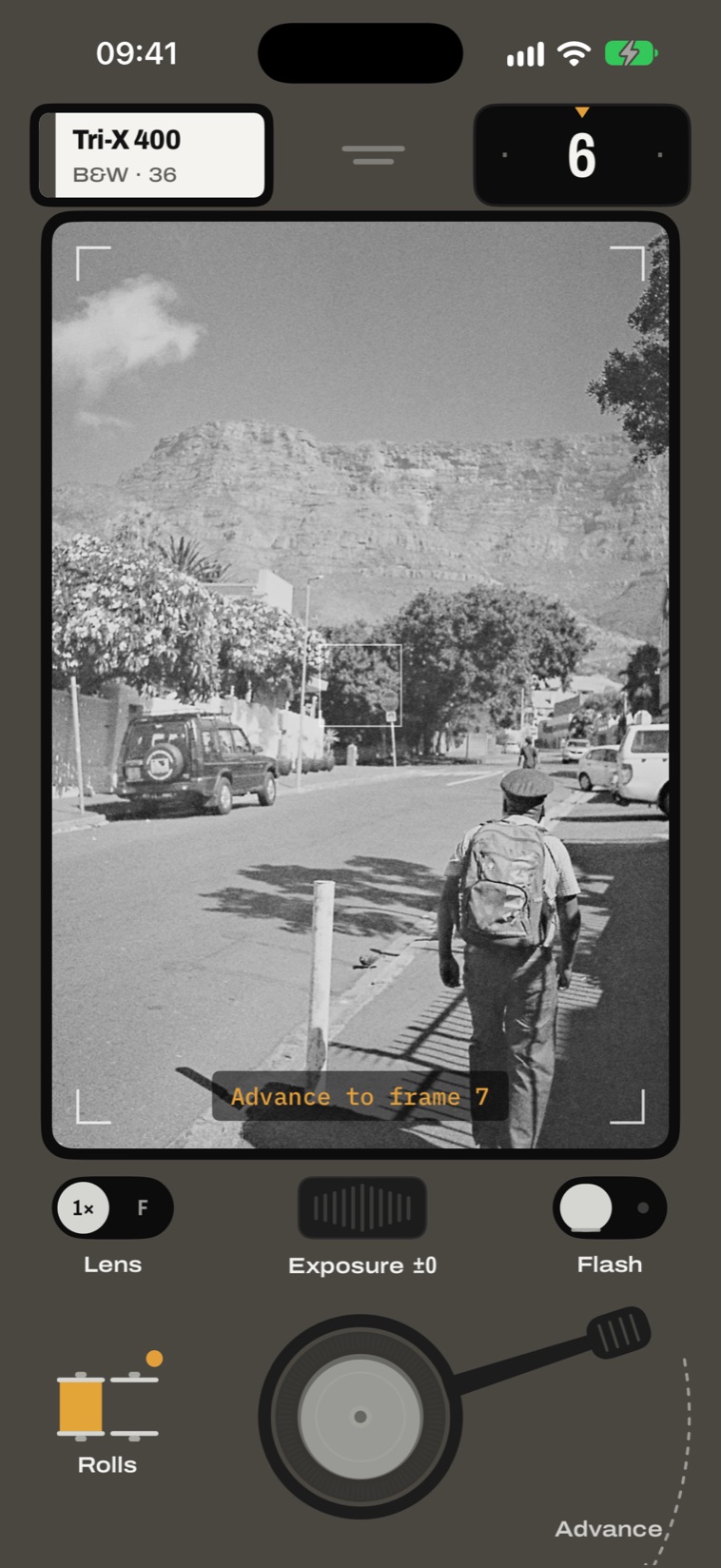
You wind the film before each frame, a counter shows how many are left, and a crank rewinds the finished roll. The film you load colours the camera body.

Why: limits make photos matter. A roll of 24 makes you look before you press, which is what people miss about film.

Simul 2.0 camera loaded with Tri-X 400, black and white viewfinder, frame 6 and an 'Advance to frame 7' prompt.

Hide the photos until you develop them.

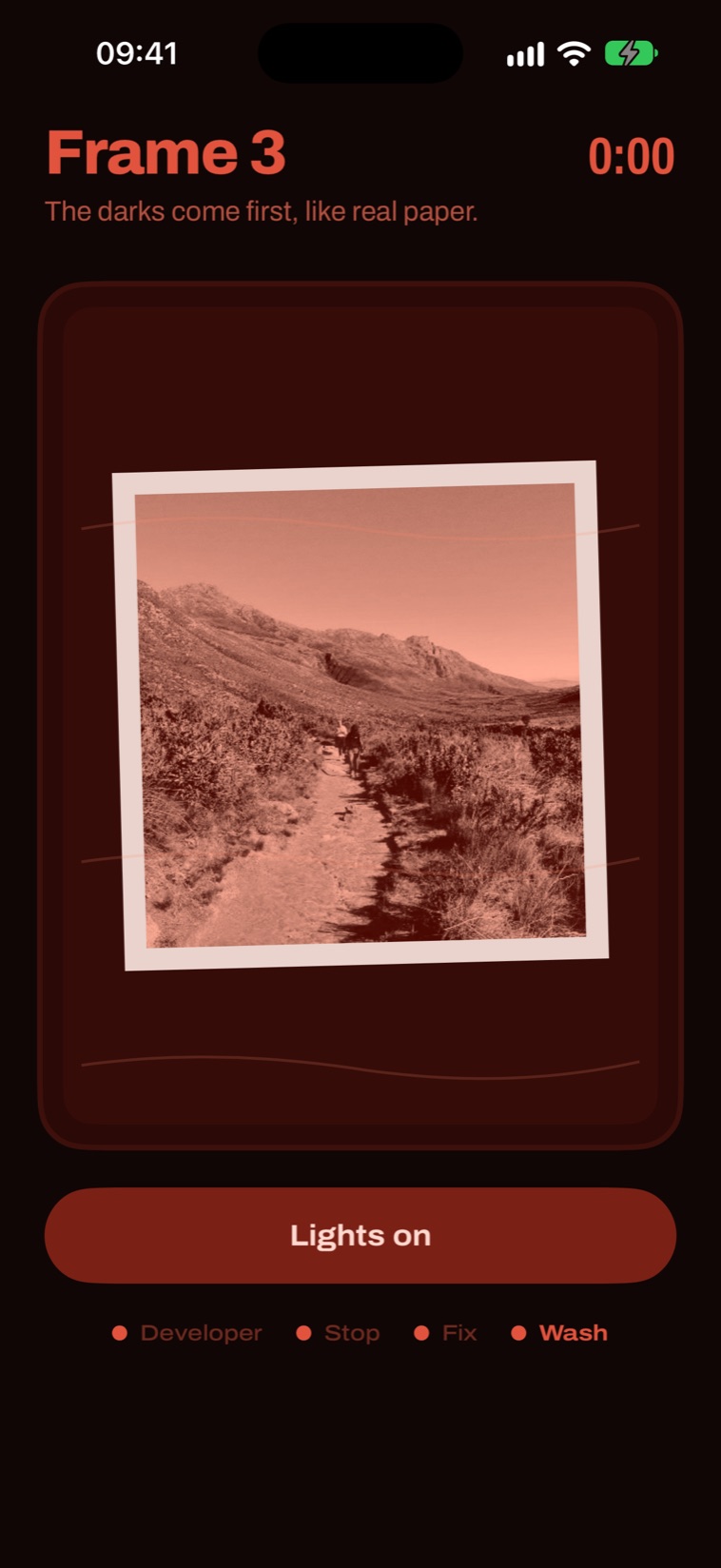
Shots stay hidden until the roll is finished. Then you develop it in a darkroom tray, step by step, and turn the lights on.

Why: the wait is the product. This is the one moment a free filter app can't copy, and the one people describe when they talk about Simul.

Darkroom tray: frame 3 developing in red safelight, with a 'Lights on' button and steps for developer, stop, fix and wash.

Turn a film choice into a story.

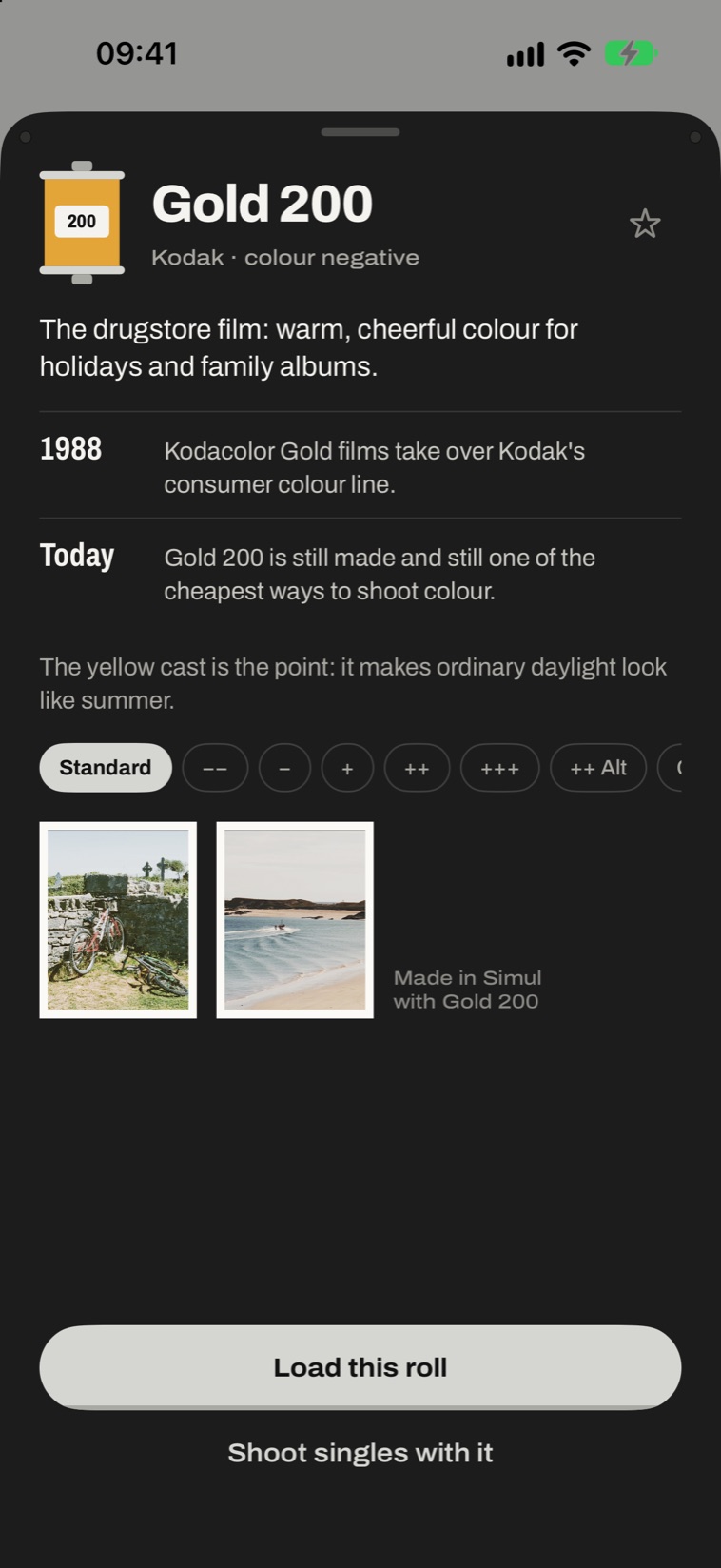
Instead of a grid of preset names, each film has a page: what it was made for, when it was popular, and sample frames. Load it as a roll, or shoot singles with it.

Why: the look is a commodity. The story behind the film is what makes someone want to shoot with it.

Film story page for Gold 200: a short history, sample photos, and a 'Load this roll' button.

Choose keepers, then make a print.

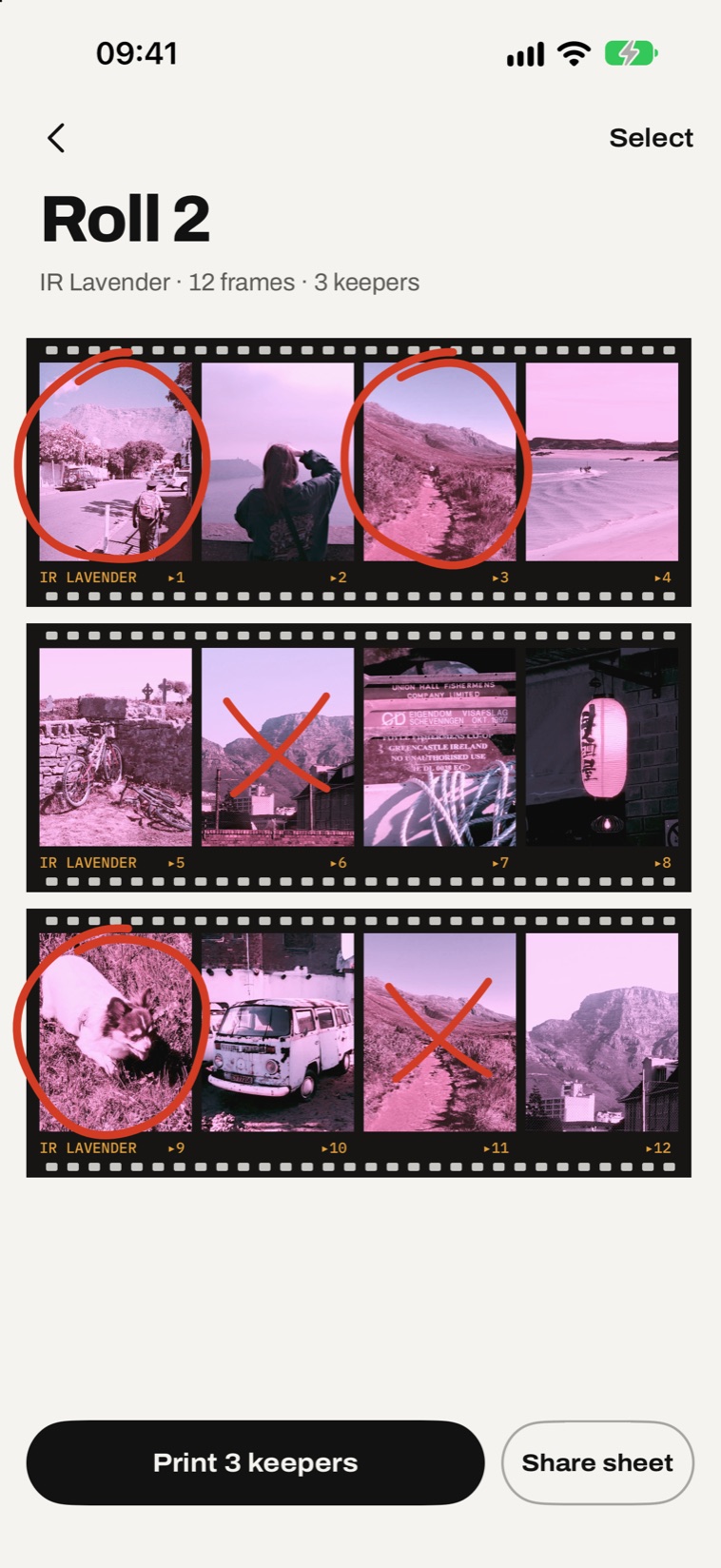
A developed roll lands on a contact sheet, where you circle keepers and cross out misses with a grease pencil. The free tier gives five print sheets, and the lifetime unlock is "paper for life".

Why: the paywall now sits at the moment people care most, right after they've chosen their best shots, instead of interrupting the first edit.

Contact sheet for Roll 2 on IR Lavender: 12 frames with keepers circled in red, and a 'Print 3 keepers' button.
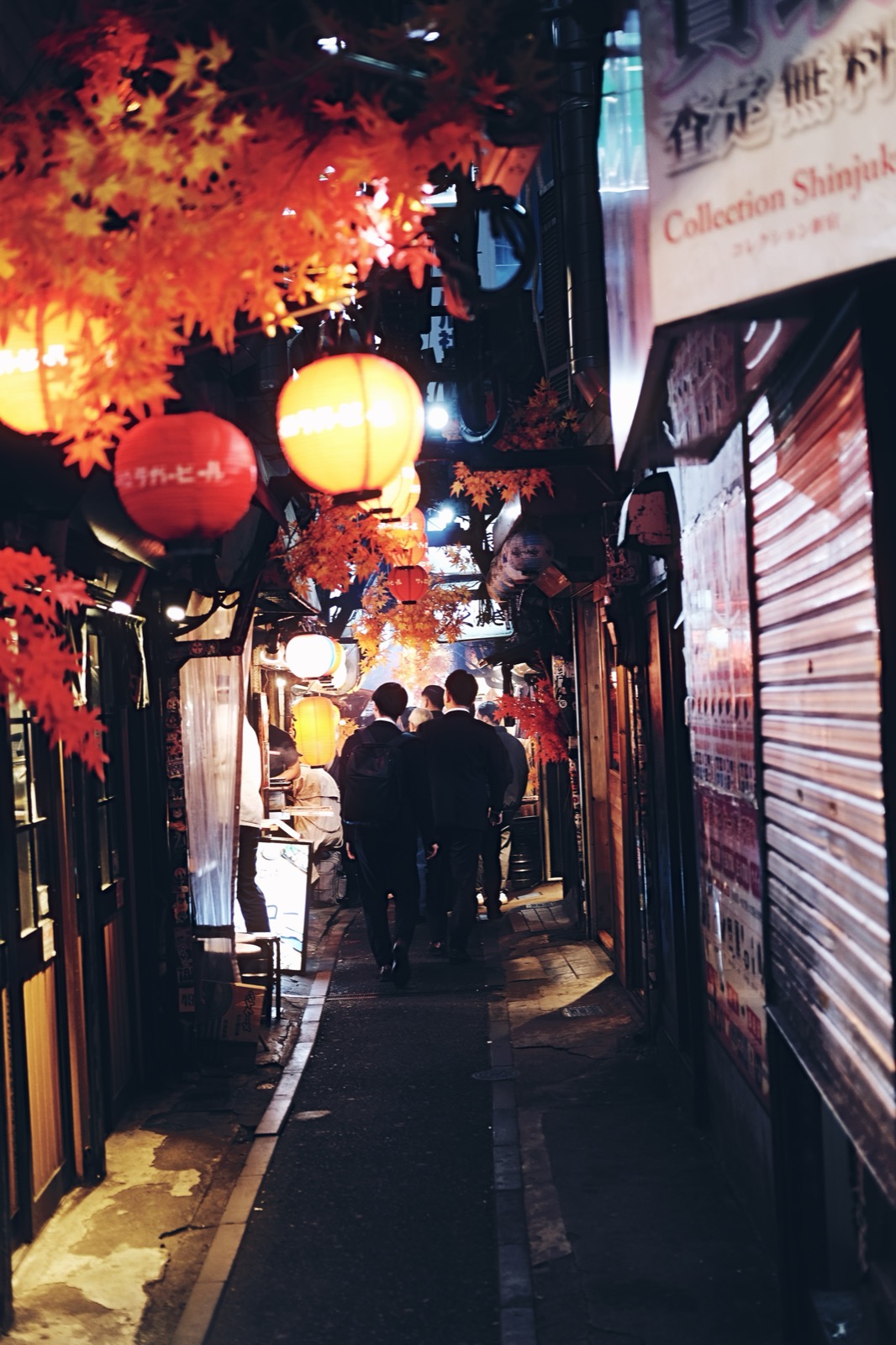
A narrow Shinjuku alley at night under paper lanterns and red maple leaves, two people in dark suits walking away from the camera.

Shinjuku, after dark.Shot in Japan, developed in Simul.

How it was built and checked.

Native on both platforms

iOS in SwiftUI, with photos rendered through Core Image on Metal. Android in Kotlin with Jetpack Compose. A parity plan keeps the two in step. About 23,000 lines of Swift and 36,000 of Kotlin.

Agents in parallel

2.0 was built by three AI coding agents in separate areas (film shelf, darkroom and print, editor), with me reviewing every change. Mechanical sounds are generated in code, so there are no samples to license.

Tested like a team would

AI tester personas (first-timer, enthusiast, holiday shooter) ran two rounds before I did. A ship audit scored 2.0 at 6/10. I closed all eight must-fix items before it goes to App Review. 46 unit tests guard the rules.

A bug I'm glad I chased.

In 2.0 beta, edits stopped saving. My first fix (a real iCloud sync bug, present since 1.1) didn't fix it. Reproducing it the way I actually use the app did: opening the editor from the zoomed-in view created a second editor, which reset the library when it closed.

Lesson: test the path people take, not the path that's easy to automate. My simulator test had opened the editor directly and hidden the bug.

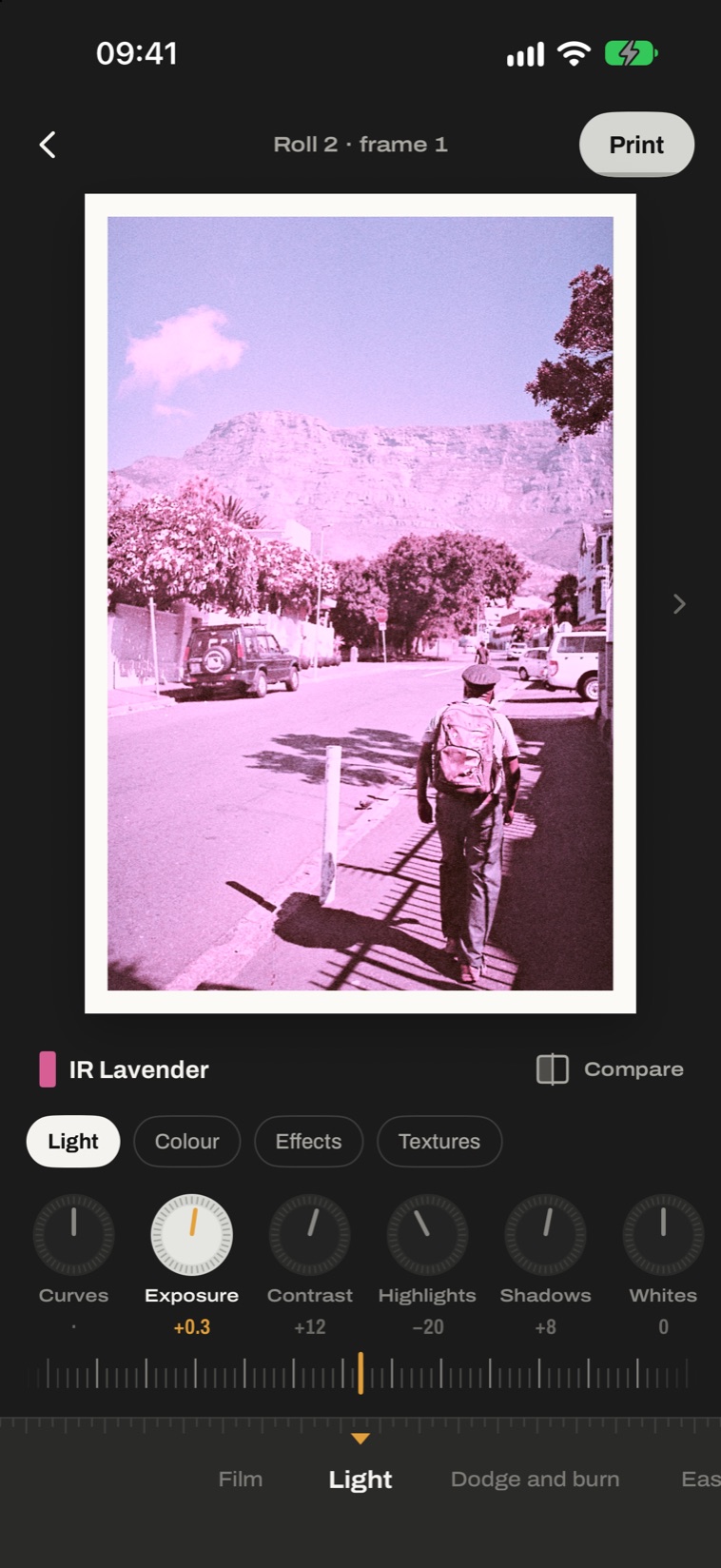
Simul 2.0 editor: an IR Lavender frame with Light, Colour, Effects and Texture controls and a mode dial.

What shipped, and what I learned.

What I learned

  • Measure before you redesign. Analytics in 1.4 turned arguments about taste into a list of fixes.
  • Position decides the product. "A camera, not a filter app" changed every screen, the paywall and the store page at once.
  • Constraints are features. Rolls, hidden shots and a darkroom are limits, and they're what people remember.

What I would do next

  • Ship 2.0 and compare. Measure edit-to-export and unlock rates against 1.8.2 on the same events.
  • Bring Android to 2.0. iPhone first, then Android once iOS proves the concept.
  • Test one paid channel properly. Store-direct links, with purchase data matched to spend before scaling.

Numbers are from App Store Connect and Google Play consoles and my own opt-in analytics, with dates given. Funnel figures come from people who opted in, so they are a sample, not a population rate. Simul 2.0 was in TestFlight beta from October and went live on 23 November 2026.

Want to talk about this work?

I'm happy to walk through the evidence, the design decisions and the trade-offs, or show the app running on my phone.